



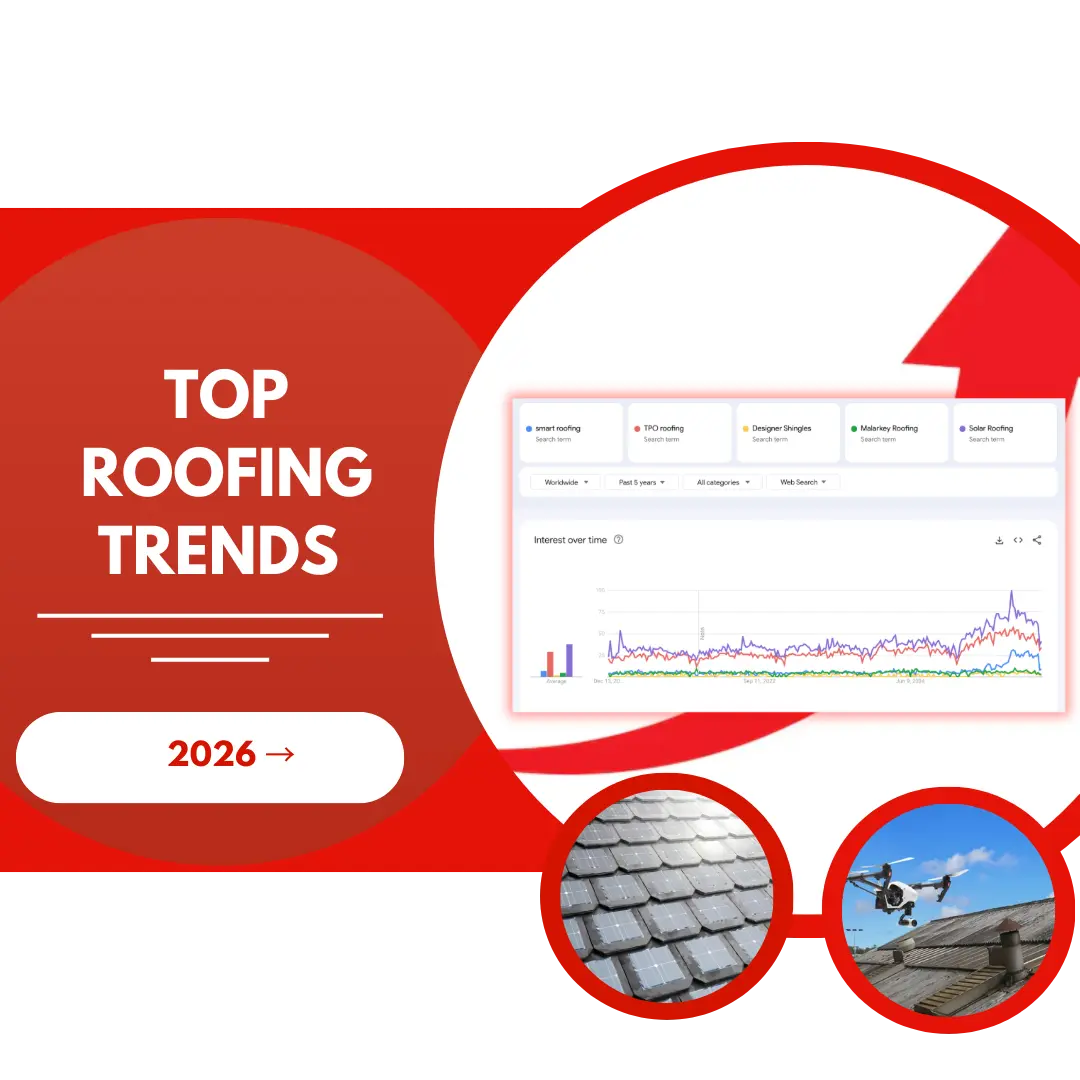
Roofing is changing rapidly in 2026, driven by solar shingles, AI-powered estimates, smarter materials, and more efficient installation methods. The industry is moving beyond traditional roofing models. The contractors gaining ground are adapting to new tools, services, and workflows that their competitors haven’t yet adopted.
If you want homeowners to choose you, staying ahead of these roofing trends matters more than ever.
I made this list based on what our roofing SEO agency has seen rising across our clients over the past year, combined with market signals pointing to even stronger growth in 2026. Let’s take a look at the roofing trends shaping what’s next.
Sustainable and Energy-Efficient Roofing Materials
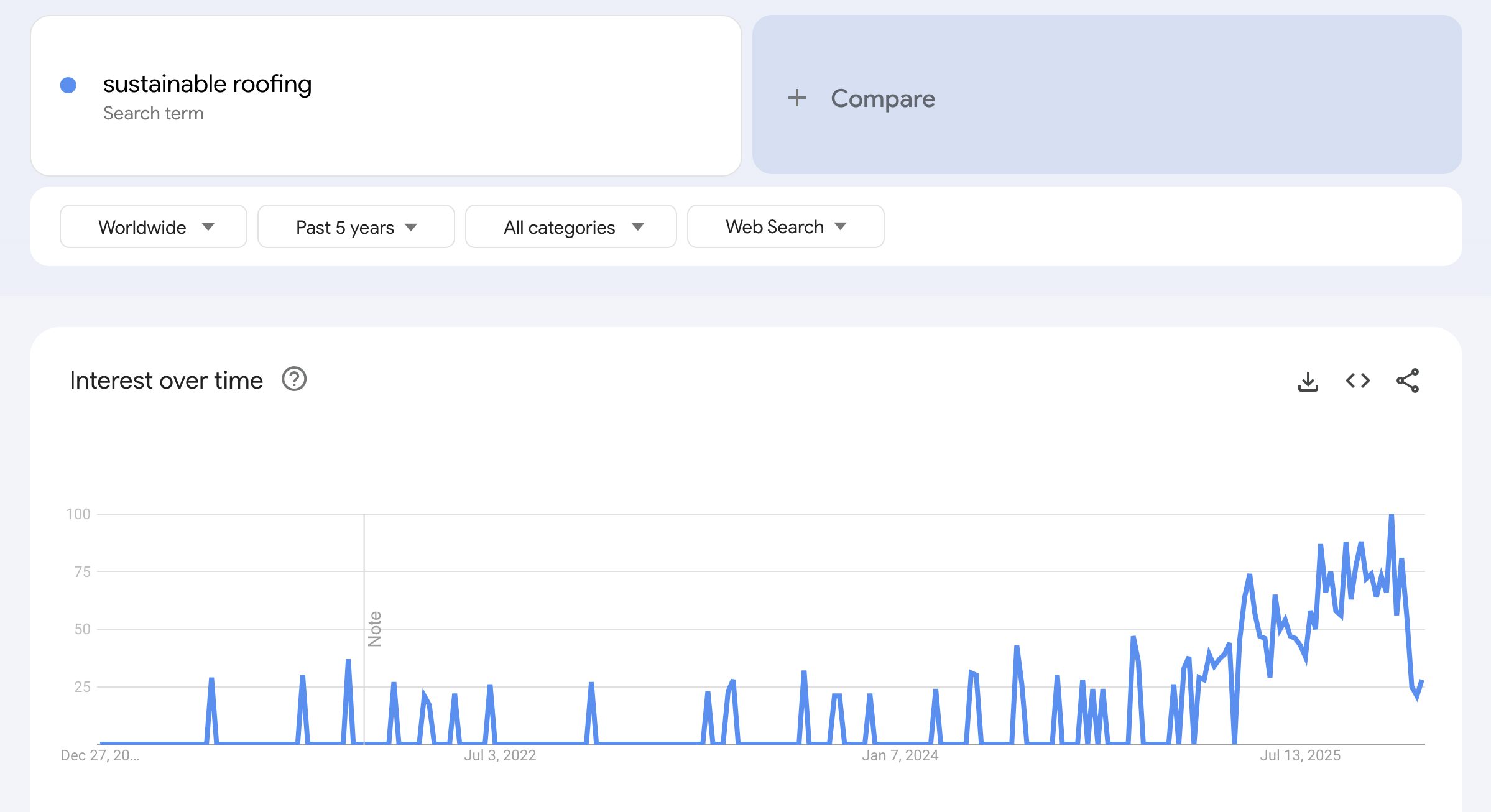
Roofing trends in 2026 focus heavily on sustainability, energy efficiency, and durability. Metal roofs, solar integration, cool roof technology, and green roofs are gaining traction among homeowners and property managers. The shift isn't just about being eco-friendly. It's about materials that last longer, cut energy bills, and cost less over time.
So what does "sustainable roofing" mean? In practice, it comes down to three things:
- materials that outlast traditional options,
- products made with recycled content, or
- roofs that reduce energy use over their lifetime.
Here's what we're seeing gain traction:
- Recycled-Content Shingles: Made from post-consumer materials, performing like standard asphalt
- Metal Roofing: A 50-year lifespan means fewer replacements and less waste
- Reclaimed Slate and Tile: Premium look with environmental benefits for high-end projects
Cool Roofs and Green Roofing Systems
Two approaches are reshaping how roofs handle heat: cool roofs and green roofs. They solve similar problems but work very differently.
Green, solar, and cool roofs are expected to grow at a 7.06% CAGR through 2035, reaching a $9B market! So, you’d want to be a part of this.
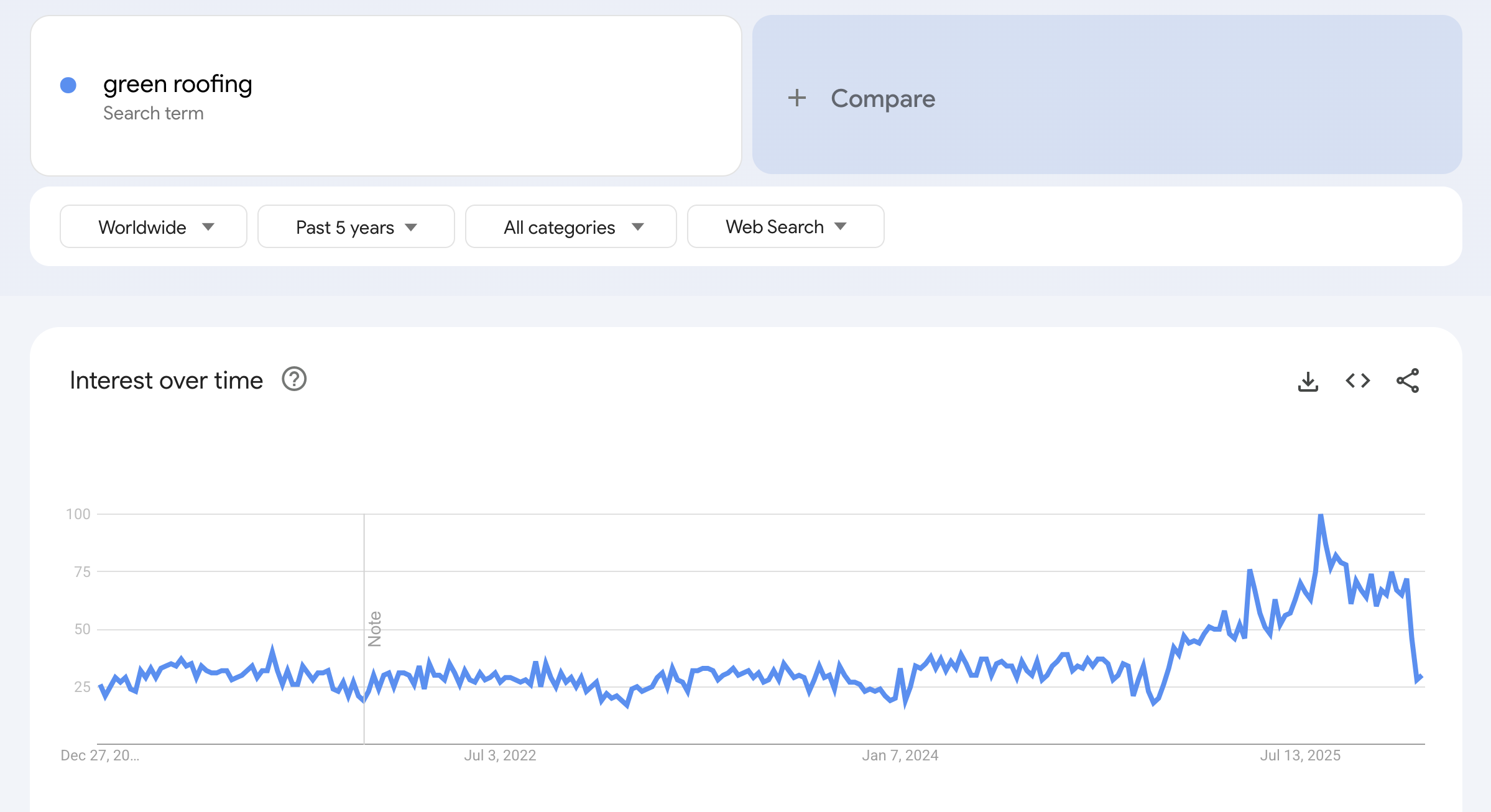
Cool Roof Technology and Reflective Surfaces
A cool roof uses highly reflective surfaces to reflect sunlight rather than absorb it. The building stays cooler, and air conditioning runs less.
For flat commercial roofs, reflective membrane systems (typically white TPO or PVC) are standard. Residential projects can use cool-rated asphalt shingles that meet Energy Star requirements. The payoff is straightforward: lower cooling costs and longer roof life because materials experience less heat stress.
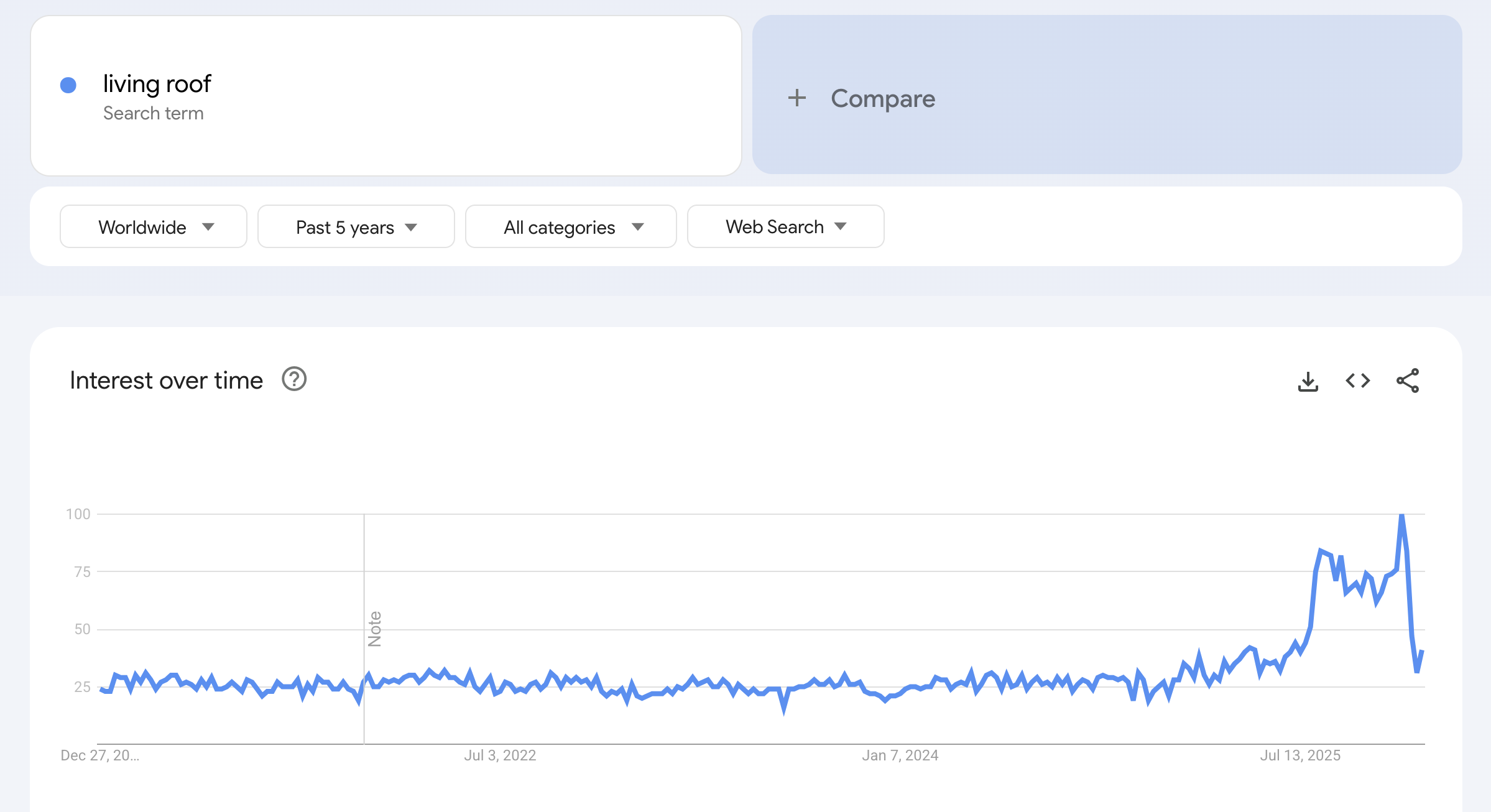
Living Roofs and Vegetative Systems
Green roofs add a vegetative layer on top of the roofing membrane. They include drainage layers, growing medium, and plants.
Extensive systems use low-maintenance sedum and require minimal upkeep. Intensive systems are essentially rooftop gardens. Commercial buildings in urban areas are driving adoption, though residential applications exist for flat or low-slope roofs.
Solar Roofing and Integrated Energy Solutions
Solar roofing has moved beyond panels bolted to existing roofs. The current trend is to integrate energy generation directly into the roofing system.

Solar Shingles vs Traditional Panel Systems
Building-integrated photovoltaics (BIPV), like Tesla Solar Roof, replace conventional shingles entirely. Traditional rack-mounted panels sit on top of an existing roof.
Solar shingles make sense when you're already replacing the roof. Traditional panels are better suited to retrofits where the existing roof has years of life remaining.
Battery Storage and Grid Integration
Solar roofs are increasingly integrated with home battery systems such as Tesla Powerwall or Enphase IQ. Homeowners can store excess energy for use during peak-rate hours or during outages. For contractors, understanding battery systems opens up-sell opportunities.
Smart Roofing Technology and Automation
Innovative roofing refers to roofs equipped with sensors and monitoring systems. Commercial applications lead here, where early leak detection can prevent costly damage.

IoT Sensors and Leak Detection
Moisture sensors embedded in roofing systems alert property managers to leaks before visible damage occurs. Companies like Sensor Industries and FORTIS offer systems that integrate with building management platforms.
Automated Measurement and Estimation Tools
Aerial measurement platforms like EagleView and HOVER generate detailed roof reports from satellite or drone imagery. Most roofing contractors we work with now use at least one of these platforms to speed up estimates and improve accuracy.
Thermal Imaging for Inspections
Thermal cameras identify moisture intrusion and insulation gaps that aren't visible to the naked eye. For commercial roof assessments, thermal imaging is becoming standard practice rather than a premium add-on.
AI and Drone Technology in Roofing
AI and drones are changing how roofers inspect, estimate, and communicate with customers.

Drone Inspections and Aerial Imaging
Drones capture high-resolution imagery for damage assessment without ladders or roof access. Safety improves, inspections speed up, and insurance claim documentation becomes easier. DJI and Skydio are the dominant hardware providers.
AI for Estimates and Customer Communication
AI tools now generate estimates from photos, qualify leads through chatbots, and assist with proposal writing. Platforms like Roofr and JobNimbus have integrated AI features. The technology isn't perfect yet, but it's improving quickly.
Advanced Shingle and Material Options
Material innovation continues pushing both performance and aesthetics forward.
Architectural and Designer Shingles
Architectural shingles (also called dimensional or laminated shingles) have a layered appearance that mimics more expensive materials. They've primarily replaced three-tab shingles with the standard residential option. Designer shingles take this further, offering profiles that closely resemble slate, cedar shake, or clay tile at a fraction of the cost and weight.
Impact-Resistant and Storm-Rated Materials
Class 4 impact-rated shingles can withstand hail up to 2 inches in diameter. In storm-prone regions, demand is growing because many insurance companies offer premium discounts for Class 4 roofs.
Malarkey Roofing and Sustainable Shingle Brands
Malarkey Roofing Products has become a leader in sustainable shingle manufacturing. Their products use recycled materials and smog-reducing granules. Other manufacturers, such as CertainTeed and GAF, are following suit with their own sustainability initiatives.
Commercial Roofing Industry Trends
Commercial roofing operates differently from residential. The materials, decision-making processes, and project timelines are distinct.

TPO, EPDM, and Flat Roof Innovations
Single-ply membranes dominate commercial flat roofs:
- TPO (Thermoplastic Polyolefin): White reflective surface, heat-welded seams, growing market share
- EPDM (Ethylene Propylene Diene Monomer): Black rubber membrane, proven durability, cost-effective
- PVC: Chemical-resistant, ideal for restaurants and industrial facilities with grease exhaust
Recent innovations focus on stronger seam welds, improved reflectivity, and longer warranties.
Building Code Changes and Energy Compliance
Updated building codes now require higher R-values and cool roof compliance in many jurisdictions. California's Title 24 and ASHRAE 90.1 are the national driving requirements. Contractors who stay current on local codes avoid costly rework.
Residential Roofing Trends
Homeowner priorities are shifting in ways that affect how contractors market and sell.
Aesthetic Customization and Curb Appeal
Homeowners increasingly treat roofing as a design element. Charcoal, slate gray, weathered wood tones, and muted earth colors are trending. The days of defaulting to basic black or brown are fading. Mixed-material designs, where different roofing products combine for visual interest, are appearing on higher-end homes.
Storm and Insurance Restoration Demand
Severe weather patterns are increasing storm damage claims. The insurance restoration segment is growing, and contractors who understand the claims process can capture this work. This requires different sales skills and documentation practices than standard re-roofing.
Labor Shortages and Workforce Solutions
The roofing industry's biggest operational challenge remains finding and keeping skilled workers.
Recruiting and Retaining Skilled Roofers
Competitive pay matters, but it's not everything. Benefits, career advancement paths, and company culture all affect retention. Contractors we work with who invest in their teams spend less time on constant recruiting.
Training Programs and Certifications
Manufacturer certification programs from GAF, CertainTeed, and Owens Corning provide training and credibility. OSHA safety training reduces liability. Apprenticeship models help develop the next generation of skilled roofers.
Roofing Software and Business Operations
CRM, project management, and business intelligence tools are becoming table stakes for competitive roofing companies:
- CRM Platforms: Track leads, automate follow-ups, manage customer relationships (JobNimbus, AccuLynx)
- Project Management: Schedule crews, track materials, document job progress (ServiceTitan, Buildertrend)
- Financial Tools: Job costing, invoicing, profit margin analysis (QuickBooks, Knowify)
Subscription and Maintenance Plan Revenue Models
Annual inspection and maintenance agreements create recurring revenue for contractors and proactive care for customers. This model works particularly well for commercial accounts but is gaining traction in residential markets too.
Digital Marketing Trends for Roofing Companies
Knowing roofing trends matters. Getting found by customers searching for them matters more.

Local SEO and Google Business Profile Optimization
Local search visibility determines which roofer gets the call. When a homeowner searches "roof repair near me," the contractors who appear in the map pack win the job.
This is exactly what we focus on at our roofing SEO agency. We help roofers rank for local searches when homeowners and property managers are actively looking for roofing services.
If you want to do it on your own, make sure to check out our detailed roofing SEO guide.
Content Marketing Around Trending Services
Blogging about roofing trends (solar, cool roofs, sustainable materials) attracts informed homeowners earlier in their research process. These customers often have larger budgets and clearer project scopes.
We have ensured that roofing trends are displayed correctly on our clients’ websites so they appear when potential clients search for innovative and trustworthy local roofing companies. Check our roofing case studies to see how we do it.
Reputation Management and Review Generation
Consistent review acquisition directly impacts online reputation and local rankings. Responding to feedback, both positive and negative, demonstrates to potential customers that you're engaged and professional. So, you definitely need to pay attention to your online roofing reputation management.
Takeaway: How to Turn Roofing Trends into Real Jobs
Knowing roofing trends is only valuable if you capture the customers searching for roofing services. Contractors who optimize their online presence around trending services win jobs.
If you're ready to turn roofing trends into phone calls and booked jobs, contact us, and we’ll develop a custom plan tailored to your location and goals.
FAQs
What is the 25 percent rule for roofing?
The 25 percent rule refers to local building codes that require a full roof replacement rather than repairs if more than 25 percent of the roof area needs work. Exact thresholds vary by jurisdiction, so check your local requirements.
What roof colors are trending for residential homes?
Charcoal, slate gray, weathered wood tones, and muted earth colors dominate current trends. Homeowners are moving away from stark black toward softer, nature-inspired palettes that complement exterior finishes.
Can roofing contractors earn six figures annually?
Yes. Experienced roofing contractors and business owners commonly earn six-figure incomes, especially those who specialize in commercial work, storm restoration, or run their own companies.
Which roofing trends offer the highest profit margins for contractors?
Solar roofing installations, premium architectural shingle upgrades, and subscription maintenance plans typically deliver higher margins than standard repairs or three-tab installations.



.webp)