
What Is Technical SEO Service and Why Should a Roofer Care?
Technical SEO is what Google sees in the background of your website.
It’s about how Google can find your website, read it, understand it, and rank it. It also affects how users behave when they visit your site.
A simple way to think about it is the foundation of a roof. If the foundation is cracked, it doesn’t matter how good the roof looks.
The same goes for your roofing website. You might have a great-looking design, but if your site has slow loading speed, broken pages, or missing technical signals, Google will see those as cracks in the foundation.
And when that happens, your website may not rank well — even if everything looks fine to you or your visitors.
What Happens When Technical SEO Is Broken
When your roofing website loads in 6 seconds instead of 2, almost half of the homeowners visiting your site may leave before they even see your phone number.
Your service pages might not get indexed in Google. That means when a homeowner searches for something like storm damage roof repair, your website may not appear in the results.
In simple terms, your website becomes like a storefront with the door locked. People are looking for your service, but they can’t get in.
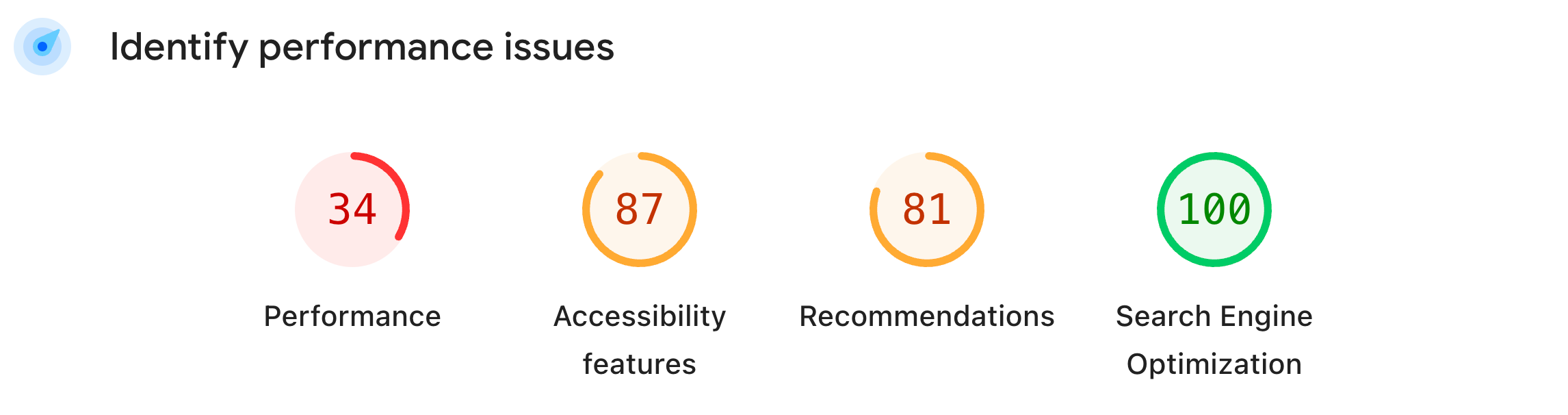
Another big issue is mobile performance. Around 80% of homeowners search for roofers on their phones. If your website isn’t mobile-friendly or doesn’t load properly, most visitors will leave almost immediately.
There are also technical signals like schema markup. Without them, Google may not clearly understand what your roofing company does, which cities you serve, or what services you offer.
And these are not just hypothetical problems. These are the exact issues we find on many roofing websites when we audit them across the U.S. market.
What Our Technical SEO Audit Covers
Roofex SEO has been doing SEO for roofing companies in the United States since 2018. Because of this, we know exactly what to look for when auditing roofing websites.
Our technical SEO audit focuses on everything happening in the background of your website to make sure it runs properly and can perform well in Google.
Here is how we do our technical SEO audit.
Area 1: Site Speed & Core Web Vitals
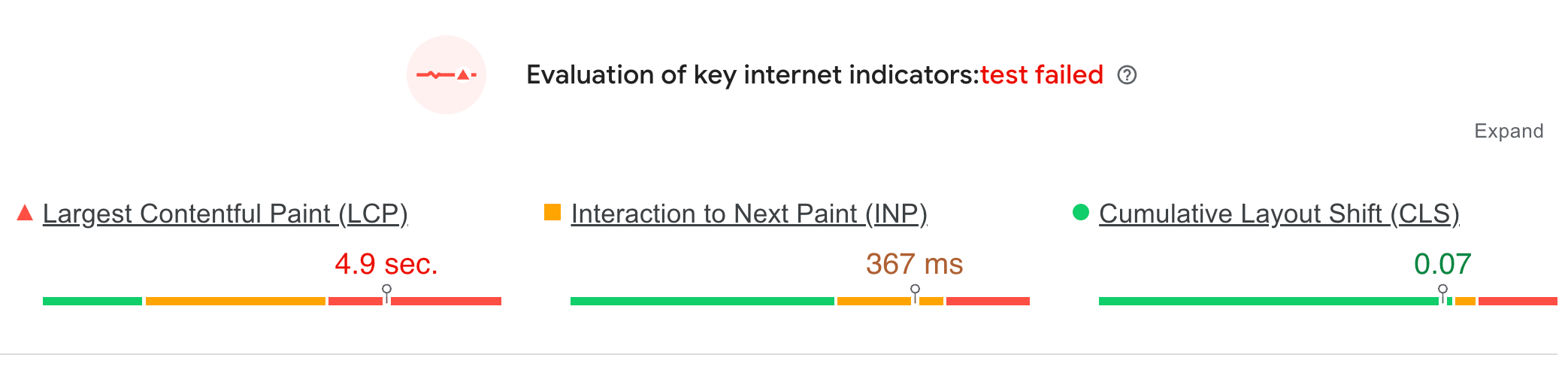
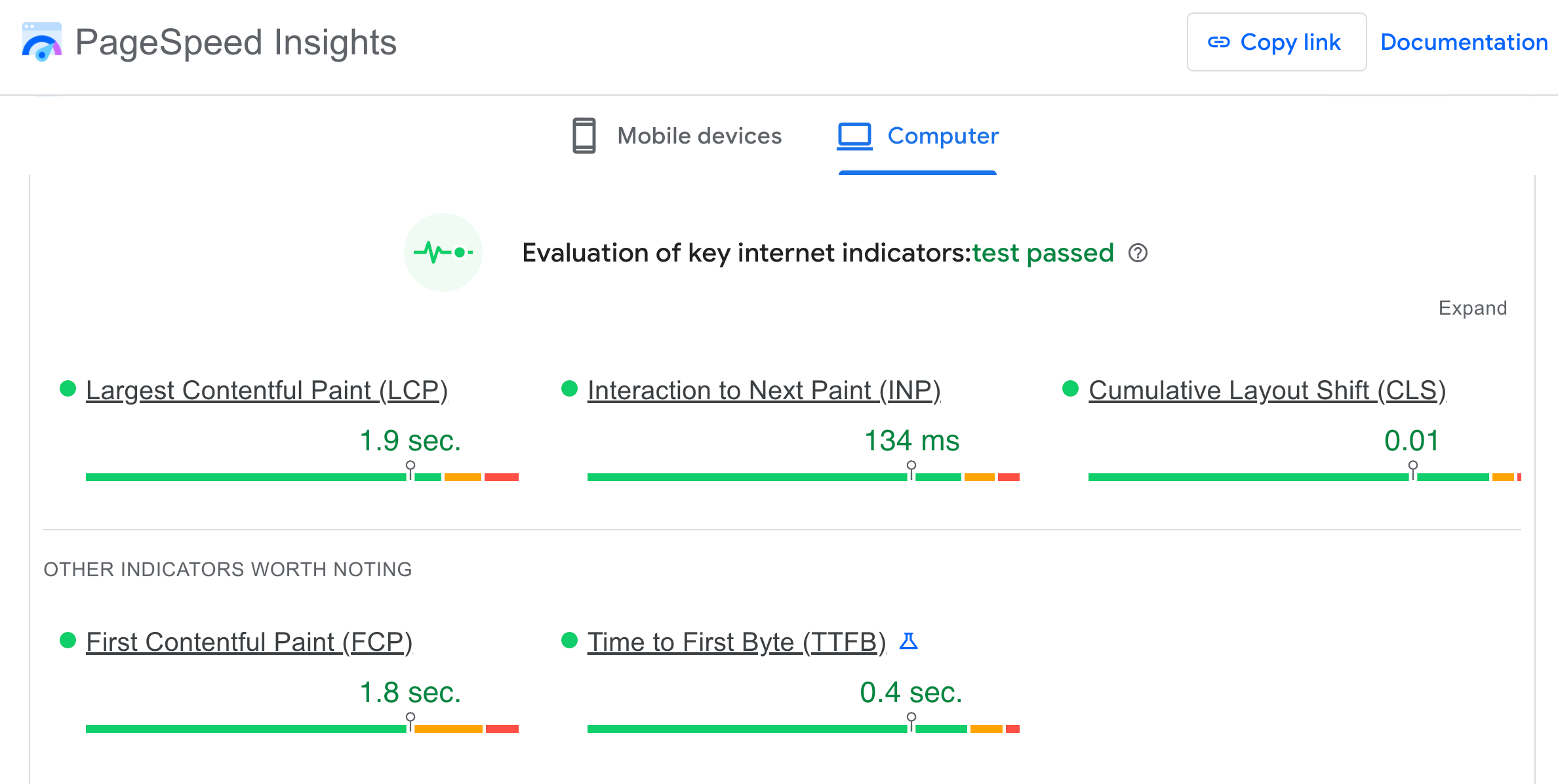
We use tools like Google PageSpeed Insights and GTmetrix to measure how fast your roofing website loads on both mobile and desktop.
We focus on the main metrics Google uses to evaluate page experience:
- Largest Contentful Paint (LCP) – how fast the main and largest content appears on the page
- Interaction to Next Paint (INP) – how quickly the site responds when a visitor interacts with it
- Cumulative Layout Shift (CLS) – whether elements move or jump around while the page loads
- First Contentful Paint (FCP) – when the first visible content appears
For roofing websites, the biggest speed problems usually come from large project images, bloated page builders, and unoptimized code from cheap website development.
Area 2: Mobile Performance
If your roofing website is slow or doesn’t display properly on mobile devices, many visitors will leave before they even consider contacting you.
We test your entire website on multiple mobile devices, tablets, desktops, and screen sizes. Then we fix issues like layout problems, tap target errors, phone sizing issues, and viewport configuration.

Area 3: Crawlability & Indexation
If your website wants to rank, it must be crawlable and indexable.
Google uses automated crawlers to read your website. If those crawlers run into errors, dead ends, or confusing structures, Google may not find certain pages or may not trust them enough to rank them.
We review your robots.txt file, XML sitemap, and site structure. We also look for redirect issues, orphan pages, and other problems that can confuse search engines. The goal is to make sure Google can easily crawl and understand every important page.
%20(3)%20(1).jpg)
Area 4: Schema Markup & Structured Data
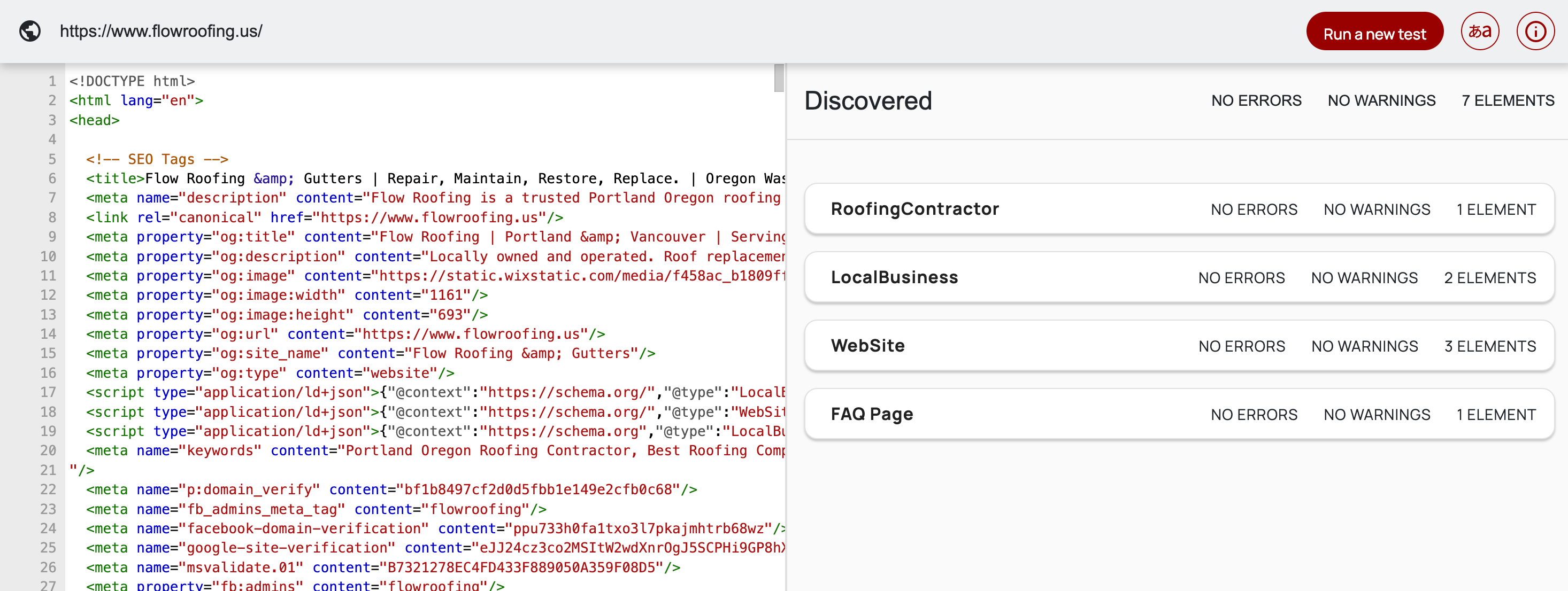
Schema markup is code that helps Google understand your roofing business more clearly.
It can explain what your company does, which cities you serve, what services you offer, your ratings, your team, your FAQs, and other important details.
This extra information helps search engines understand your business better and can improve both rankings and search visibility.
Area 5: Site Architecture & URL Structure
Your website’s structure affects how easily both Google and your visitors can navigate your site.
We make sure your roofing website has a clear structure, including:
- Homepage
- Service pages
- Location pages
- Blog content
- And the connection between these pages
We audit your entire site architecture to find broken links, remove orphan pages, and improve your URL structure so every page supports your overall rankings.
%20(4)%20(1).jpg)
Area 6: HTTPS, Security & Hosting
We verify that your SSL certificate is properly configured and check for mixed content issues where some elements load over HTTP instead of HTTPS.
We also evaluate your hosting performance. Secure and reliable hosting is important for both security and rankings.
One common issue we see is roofing companies using very cheap shared hosting plans. These plans often struggle to handle traffic spikes, especially during storm season when search demand increases.
Area 7: Duplicate Content & Canonicalization
Many roofing websites accidentally create duplicate versions of the same pages.
This can happen with things like:
- www vs non-www versions
- HTTP vs HTTPS pages
- trailing slashes
- location pages with nearly identical content
These duplicates can confuse Google and hurt your rankings.
We identify all duplicate content issues and implement proper canonical tags so Google clearly understands which version of a page should be indexed and ranked.
Common Technical SEO Problems on Roofing Websites
After auditing +120 roofing websites across the U.S., we’ve seen certain technical issues come up again and again. These are some of the most common problems:
- Uncompressed project photos
Many roofers upload large before-and-after images, sometimes 4MB or more. This slows down the entire site. A single gallery page with 20+ unoptimized images can take 15+ seconds to load on mobile. - Cheap page builders with bad code
Some website builders generate a lot of unnecessary code. In some cases, they add 3x more code than needed. This forces Google to go through thousands of lines of unused CSS and JavaScript before finding your actual content, which hurts SEO. - Missing XML sitemap
Many roofing websites don’t have an XML sitemap submitted to Google Search Console. Because of this, Google may not even know that some of your service pages, location pages, or blog posts exist. - Broken redirect chains from old websites
When roofers switch websites or platforms, old URLs often redirect through multiple steps before reaching the final page. Each extra redirect reduces ranking power and slows down the experience. - Missing or duplicate title tags
Some websites use the same title tag across multiple pages, like just “Roofing Company + Brand Name.” This makes it hard for Google to understand the difference between pages like roof repair, roof replacement, or other services. - No Google Search Console setup
Many roofers have never connected their website to Google Search Console. That means they can’t see which pages are indexed, what errors exist, or how Google is viewing their site.
Location pages with identical content
A common mistake is creating multiple city pages with the exact same content, only changing the city name. Google sees this as low-quality or spam, and often ends up ranking none of those pages.
.jpg)
Our Technical SEO Process for Roofers
Here is how we complete technical SEO for your roofing website.
Step 1: Full Technical Audit
We crawl your entire roofing website using the same type of tools search engines use and generate a full technical health report. We also use professional SEO tools like Ahrefs and Screaming Frog to analyze your site.
Every issue we find is categorized by severity:
- Critical issues – problems that can seriously damage your rankings
- Important issues – things that limit your growth and visibility
- Minor issues – improvements that are helpful but not urgent
You will clearly see what is wrong with your website and how each issue affects your ability to rank.
Step 2: Priority Roadmap
After the audit, we build a prioritized roadmap for fixing the issues.
We focus on the problems that have the biggest impact first. Critical issues that are hurting your rankings get fixed before anything else.
This way, we don’t waste time on small tweaks while bigger problems remain unresolved. You get a clear plan with priorities and timelines for what will be fixed first.
Step 3: Implementation
Once the plan is ready, we start implementing the fixes directly on your website.
This can include things like:
- Improving site speed
- Fixing mobile performance issues
- Implementing schema markup
- Cleaning up redirects
- Configuring your sitemap and Google Search Console
- Fixing indexing problems
You don’t have to worry about handling the technical work yourself.
If you don’t have a development team, we can implement the fixes for you. If you do have developers, we will provide clear instructions and documentation so they know exactly what needs to be done.
Step 4: Validation & Monitoring
After the fixes are implemented, we continue monitoring your website.
We regularly crawl your site to confirm that issues have been resolved and to catch any new technical problems that might appear.
This way, we make sure your technical SEO stays healthy and that problems are identified before they start affecting your rankings.
Technical SEO Results for Our Roofing Clients
See how we’ve helped roofing companies improve their rankings with our SEO services, including technical SEO.


How Technical SEO Connects to Our Other Services
Technical SEO for a roofing website is closely connected to other parts of SEO.
Even if you create great content, build backlinks, and optimize your local SEO, if Google can’t properly access or understand your website, it won’t rank.
Here’s how technical SEO connects with other SEO areas:
- On-page SEO for roofers
Technical SEO makes sure Google can crawl and access your pages, while on-page SEO makes sure those pages target the right keywords. - Content writing for roofers
Great content needs a technically sound website to rank properly. - Link building
Backlinks pass authority to your pages, but only if those pages are indexed and free of technical issues. - AI search optimization (AEO)
Schema markup, which is part of technical SEO, helps improve your visibility in AI-based search results.
All of these roofing SEO services are connected. When one part is missing or not working properly, it can affect your overall performance. That’s why everything needs to work together for your roofing website to rank and grow.
Signs Your Roofing Website Has Technical Problems
Before contacting us for technical SEO, here is a simple checklist you can use to see if your roofing website might have technical issues.
- Your website takes more than 3 seconds to load on a phone
- You added new service pages or location pages, but they don’t show up in Google
- Your Google Search Console shows crawl errors or indexing warnings
- Advanced check: you’ve never set up Google Search Console for your website
- Your website was built more than three years ago and has never had a technical audit
- You switched website platforms and never checked for technical problems, and your rankings dropped
- Your competitors rank higher even though your content and services are better
- Your website looks broken or hard to use on mobile devices
- Your website shows security warnings or isn’t properly secured (HTTPS)
- You’ve been investing in content and backlinks but your rankings aren’t improving
If you recognize several of these signs, your roofing website may have technical SEO problems that are holding back your rankings.
Technical SEO FAQ
How long does a technical SEO audit take for a roofing website?
A complete technical audit usually takes 3–5 business days. The time needed to implement fixes depends on how many issues are found and how serious they are. Most roofing websites can be fully optimized within 2–4 weeks. Critical issues that are actively hurting your rankings are usually fixed first, often within the first week.
Will fixing technical SEO issues improve my rankings immediately?
Some fixes can produce results within days, especially indexation problems where Google couldn’t see your pages at all.
Other improvements, like site speed optimization or schema markup, usually take 2–4 weeks for Google to fully process. Unlike content creation or link building, technical fixes can sometimes produce faster improvements because you are removing barriers rather than building something new.
Do I need technical SEO if my website was just built?
Yes. New websites often have more technical issues than older ones.
Many web designers focus on how the website looks but don’t fully consider SEO. As a result, the site may have slow load speeds, missing schema markup, no sitemap, or pages that Google cannot properly crawl.
A technical SEO audit after launch helps make sure your new website is fully visible to Google from the beginning.
What’s the difference between technical SEO and on-page SEO for a roofing website?
On-page SEO focuses on the content of your pages, including keywords, title tags, meta descriptions, internal links, and the text on your website.
Technical SEO focuses on the infrastructure of the site, such as site speed, mobile performance, crawlability, indexation, schema markup, and security.
A simple way to think about it is:
On-page SEO is what you say, and technical SEO is whether Google can hear you. You need both for your roofing website to perform well.
Can technical SEO problems cause a Google penalty?
Serious technical problems can create what looks like a penalty. This may include sudden ranking drops, pages disappearing from search results, or your competitors overtaking you.
Google rarely gives manual penalties for technical issues alone, but problems like duplicate content, slow page speed, and broken crawl paths can cause the algorithm to rank your website lower.
Fixing the technical foundation often helps recover those lost rankings.
