What's Actually Costing You Calls From Your Roofing Website?
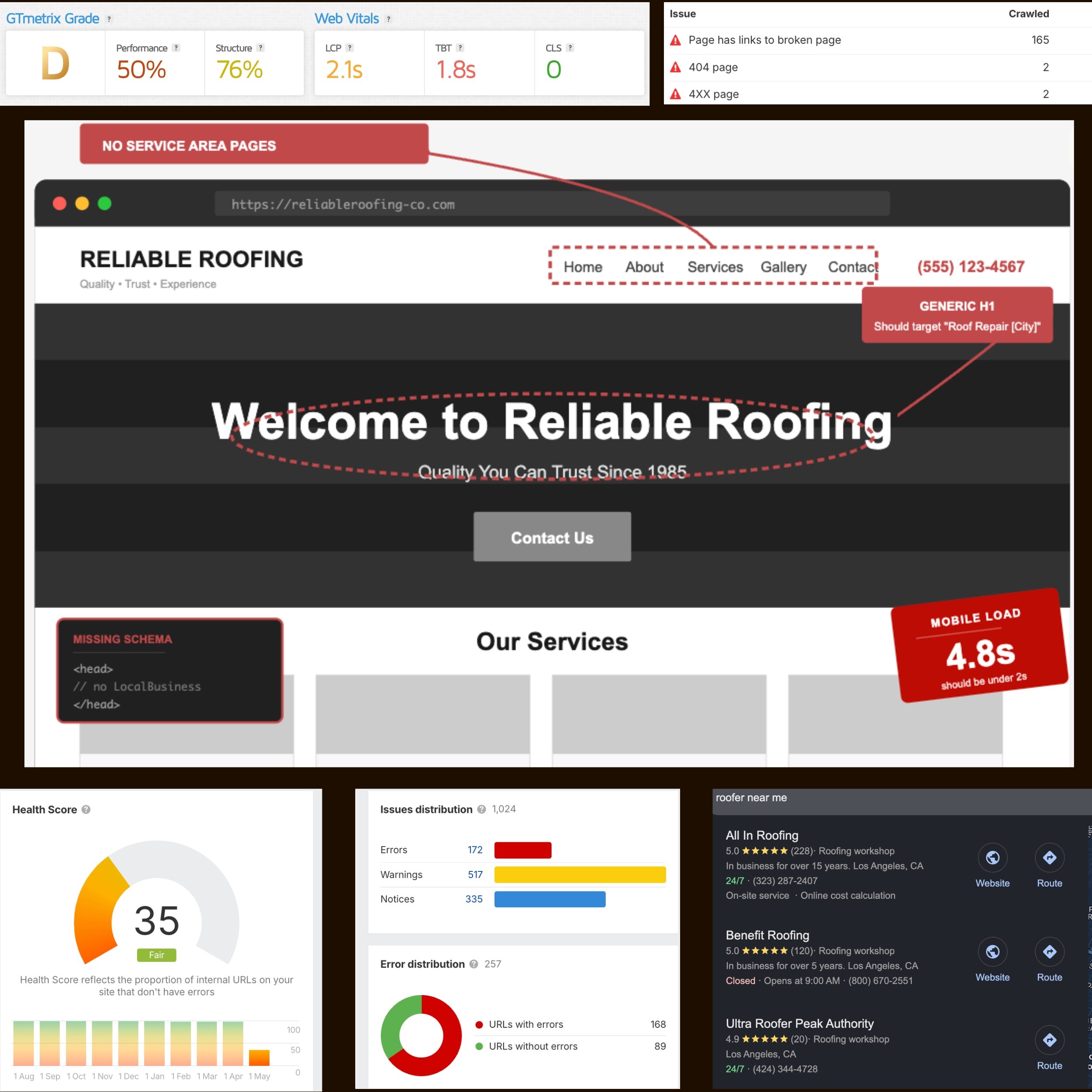
You built your roofing company the hard way door to door, job to job, referral to referral. Then someone told you to "invest in SEO," you spent the money, and the phone got quieter instead of louder. Usually it's not one problem. It's several at once — technical, content, and how the business shows up on Google. Here are the ones that come up on most roofing sites:
- Stuck on page 2: A competitor with fewer reviews and a smaller crew sits on page 1 getting the calls.
- Incomplete Google profile: Wrong categories, missing photos, weak description, and no read on what's keeping the business out of the Map Pack.
- Thin review profile: Fewer reviews than competitors, none recent, no responses. Homeowners skip the listing before reading a single page.
- Invisible in AI search: Doesn't show up when homeowners ask ChatGPT or Google AI Overviews "who's the best roofer near me."
- Weak backlink profile: Competitors are earning links from local sources that lift their rankings.
- Generic service pages: Copy reads like every other roofer's, so Google doesn't treat the site as locally authoritative.
- Duplicate city pages: 15 location pages with the same content and just the city name swapped. Google treats them as spam and ranks none of them.
- Company focused messaging: Pages talk about the business instead of the homeowner's problem.
- No storm response: After a hailstorm, search volume spikes for 48 hours. Most roofing sites aren't set up to catch it.
- Slow on mobile: Load times lag on the exact device where 80%+ of roofing searches happen.
- Pages Google can't read properly: Missing title tags, weak H1s, no schema, broken sitemap, messy internal linking. The best pages stay invisible.
- Traffic without calls: Visitors come in but don't convert. The phone number is hard to find, trust signals are missing, and the contact form sits at the bottom of the page.
Every one of these is fixable. None of them is obvious from the outside. That's exactly what your audit will surface, ranked by lead impact, with the fix laid out for each one.
What Our Roofing SEO Audit Covers, Step by Step
The audit is broken into ten steps. Each one covers a different area: your site, your local presence, your competitors, and the findings from all ten are combined into a single report at the end.
Step 1: Discovery and Market Mapping
Before we touch your site, we map your local market: the cities and suburbs you serve, your top 3 local competitors, the services you sell (repair, replacement, metal, flat, storm, insurance work), and the search terms homeowners in your area use. Every decision after this is benchmarked against your specific market.
Step 2: Site Crawl and Technical Review
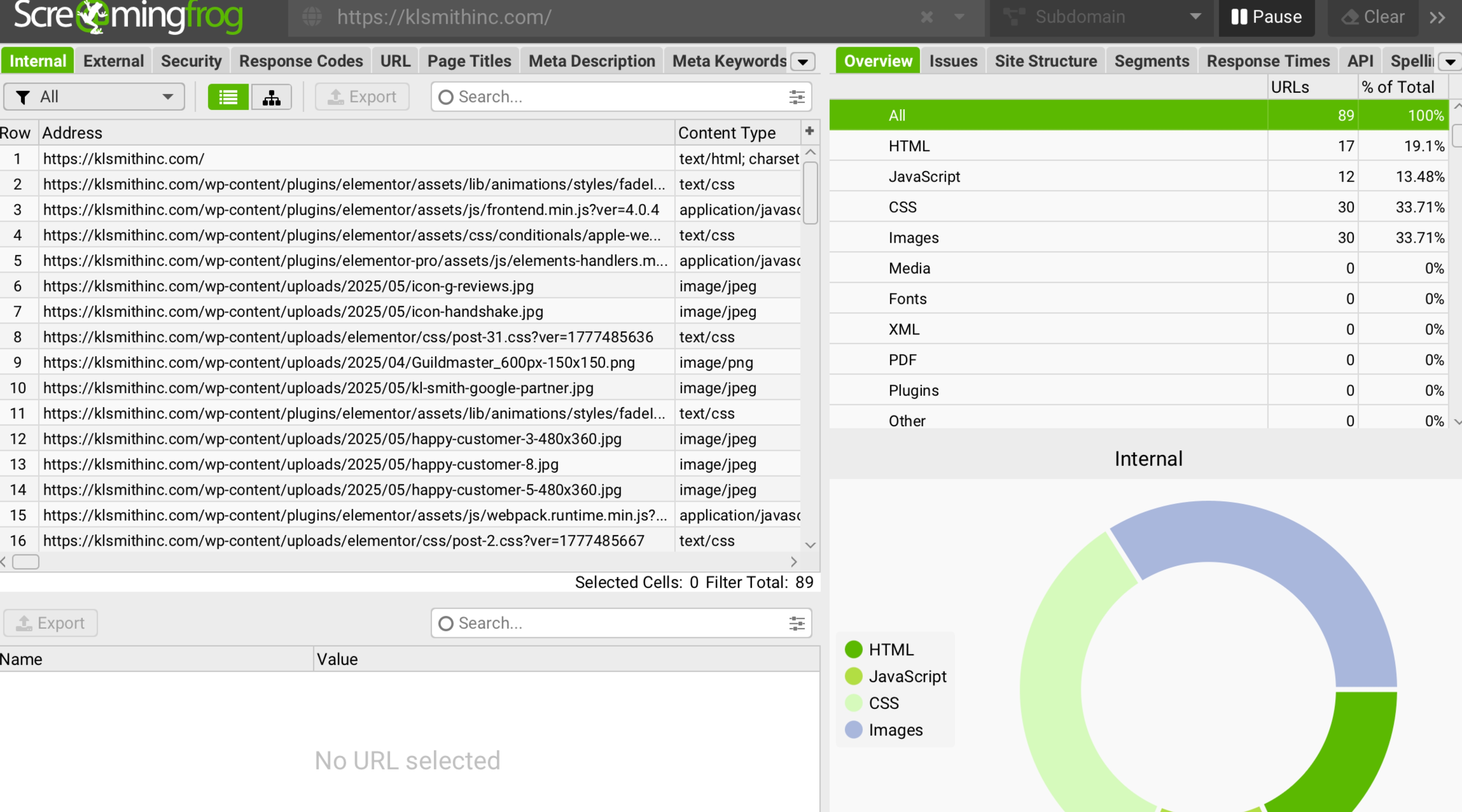
We crawl every page on your site and pull data from Google Search Console, your analytics, and Core Web Vitals reports. Each page is scored on page speed, schema markup, crawl errors, indexing, mobile performance, sitemap health, and robots.txt. Every issue is logged with a screenshot and a severity rating. Implementation lives in our technical SEO service.
Step 3: On-Page Review
We go through every page and check title tags, header hierarchy, meta descriptions, keyword placement, and internal linking. Each finding is documented with the URL, the issue, and the fix. Implementation lives in our on-site SEO service.
Step 4: Service and Location Page Content Review
We check whether the right pages exist. Every service you offer should have its own page: roof repair, replacement, metal, flat, storm damage, insurance claims, and so should every city and suburb you serve. We check whether each page exists, whether the copy is original or recycled from a shingle supplier, and whether it matches the keywords homeowners search for. Thin and duplicate pages are flagged.
Step 5: Google Business Profile and Local SEO
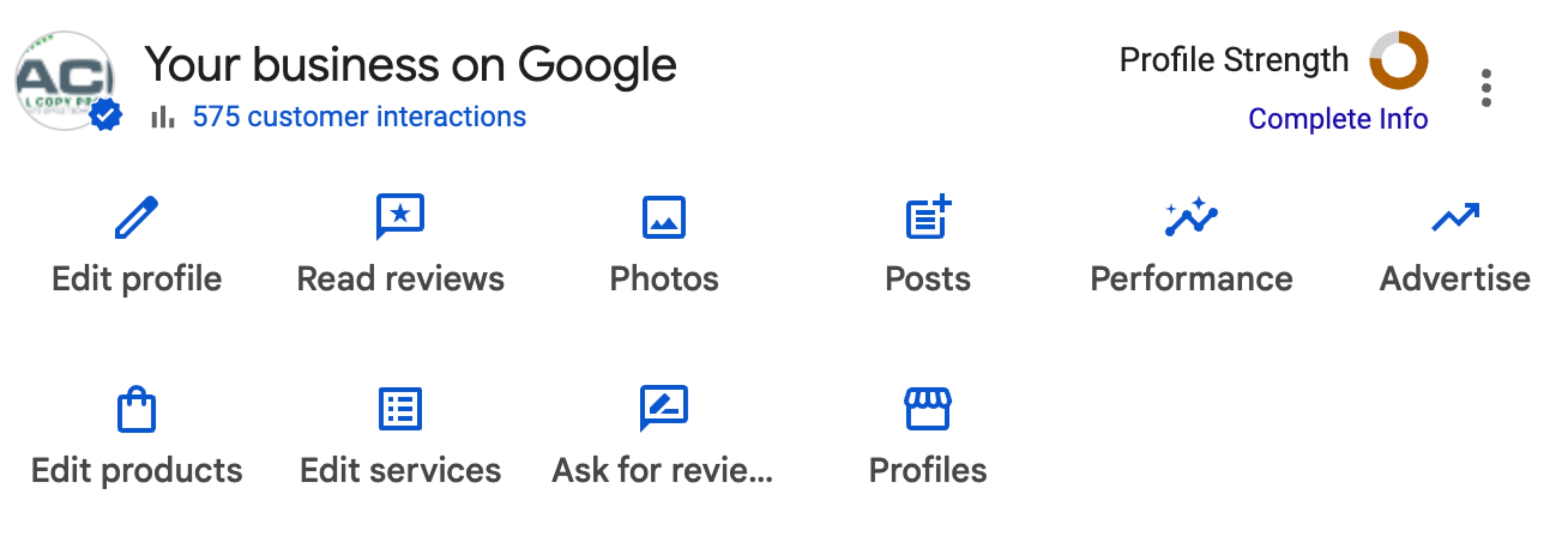
We audit your GBP end to end: completeness, service categories, description, photos, posting cadence, Q&A, and reviews. Then we check NAP consistency across 50+ citation directories and Map Pack visibility for your top keywords. Full breakdown in our Google Business Profile optimization guide for roofers.
Step 6: Backlink and Domain Authority Analysis
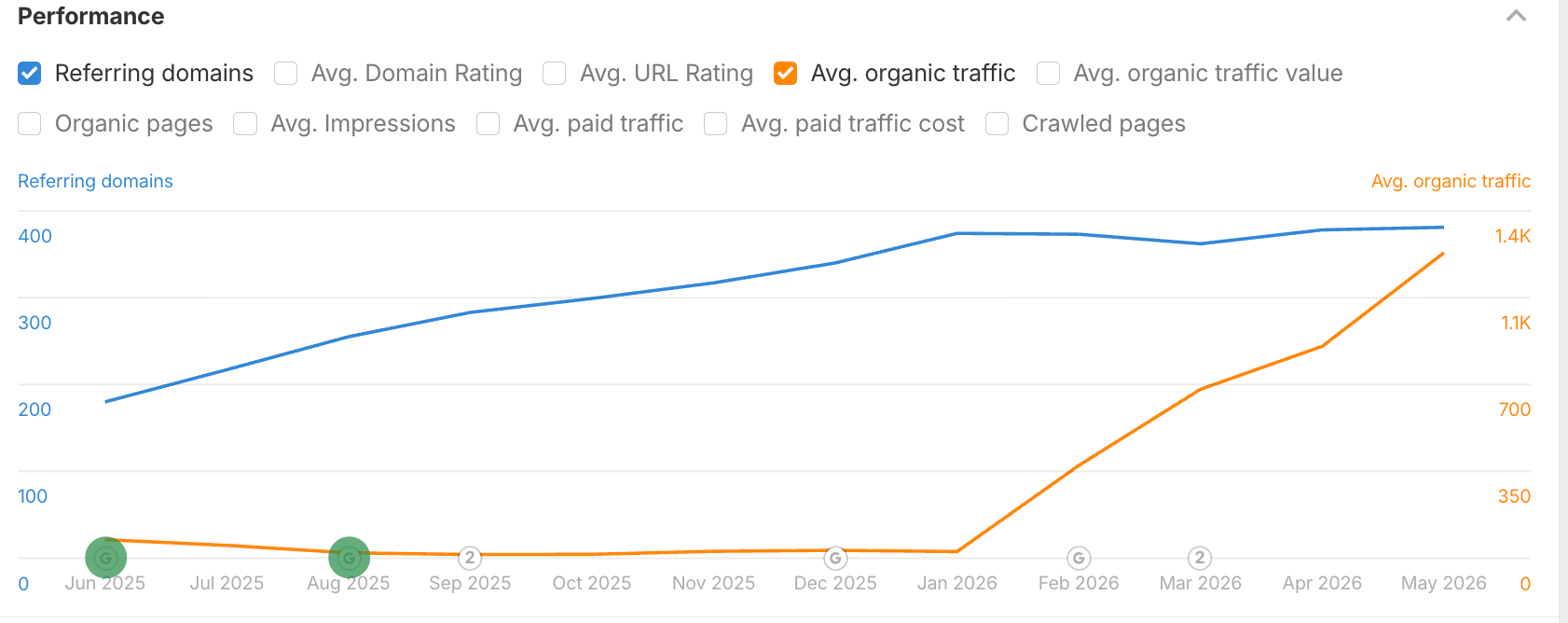
We pull your full backlink profile, score every link by quality, flag toxic links, and benchmark your domain authority against your top 3 local competitors. A backlink gap analysis identifies the links your competitors have that you don't. Earning those links is what our link building service covers.
Step 7: AI Search Visibility Check
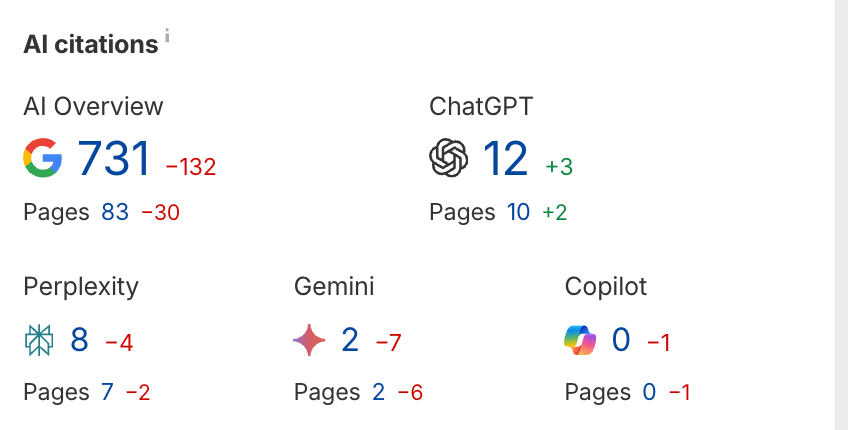
We check whether your business appears in answers from ChatGPT, Perplexity, and Google's AI Overviews for queries like "best roofer in [city]," which competitors are being cited, and what's missing from your site that these engines look for. Fixes are handled in our AI Search Optimization service.
Step 8: Competitor Benchmarking
We rerun the previous steps on your top 3 local competitors and put the results side by side: rankings, GBP, backlinks, content depth, page speed. The output is a gap analysis showing where each competitor is ahead and what it would take to close the gap.
Step 9: Audit Report and 90-Day Action Plan
Findings are assembled into a 30 to 50 page report with annotated screenshots, a priority issue list ranked by lead impact, the competitor gap analysis, and a 90-day action plan sequenced step by step.
Step 10: Strategy Call and Next Steps
A 30-minute call to walk through every finding together. From there you decide: implement through our ongoing SEO services, or take the plan and run it in-house. The report is yours either way.
What You Get as a Deliverable
Here's exactly what you receive:
- A 30 to 50 page audit report: All areas covered in the audit, with annotated screenshots, every issue circled, and rated by how much it's costing you.
- A priority issue list: Ranked by lead impact, the highest ROI fixes at the top, so you know what to do first.
- A competitor gap analysis: Your site versus your top 3 local competitors, laid out side by side.
- A 90-day action plan: Sequenced, ranked recommendations. Not "improve your SEO" actual steps, in order.
- An AI visibility report: Whether your roofing business appears in Google AI Overviews and ChatGPT answers for your services.
The report is yours to keep either way. You can act on it yourself, hand it to an in-house team, or if you'd rather not handle the fixes internally, we can implement every recommendation across technical, on-page, local, content, and backlinks.
Why a Roofing SEO Audit Is Different From a Generic Website Audit
A roofing audit looks at things a generic audit doesn't: storm damage searches, service area pages, "roof leak repair near me" type queries, how rankings shift by season, your GBP service radius, and insurance work searches. What homeowners search for in Florida isn't what they search for in Minnesota.
What Happens After the Audit? Your 90 Day Action Plan
You walk away from the audit with a clear plan. From there, you choose how to execute it.
Path A: Implementation Done For You
If you don't have the time, team, or technical bandwidth to handle the fixes, the audit transitions into our ongoing roofing SEO service. Every priority issue gets implemented for you, with monthly reporting in plain English and continuous optimization as your rankings climb.
Path B: You Implement With Our Guidance
If you have an internal team or a web person you already trust, the audit works as a standalone deliverable. You get the full report, the 90-day action plan, the strategy call, and the AI visibility report. Your team handles execution. We stay available for follow-up questions as you work through the plan.
Either way, here's what the next 90 days look like:
- Month 1. Audit delivered and strategy call. You receive the report and the priority issue list. The strategy call walks through every finding so there's no guessing about what to do first. By the end of month 1, the full scope of what needs to change is clear and sequenced.
- Months 1–2. Priority technical fixes. Site speed, schema markup, Google Business Profile, and the highest impact on-page issues are addressed first. These are the items most likely to be holding rankings back across the whole site, so they're handled before any content or backlink work begins.
- Months 2–3. Content and local SEO improvements live. Service pages get rewritten, location pages get built out, citations get cleaned up, and backlink work begins. By the end of month 3, the site reads as locally specific rather than a generic contractor template.
- Month 3+. Rankings and calls tracked. Map Pack movement, organic traffic recovery, and lead volume are reported monthly: calls, leads, and jobs. The reporting tracks the same metrics every month so progress is measured against a consistent baseline rather than moving goalposts.
Most roofing companies don't know how many calls they're missing because of SEO problems, or what those calls would have been worth. The audit answers both questions.
Roofing SEO Audit Case Studies
The audit is the diagnostic. Here's what happens when the diagnosis turns into action:

.png)
Frequently Asked Questions About Our Roofing SEO Audit
What is a roofing SEO audit?
A roofing SEO audit is a structured review of your online presence to identify why local competitors outrank you and what needs to be fixed. It covers six areas: on-page SEO, technical health, local SEO and Google Business Profile, backlinks, content quality and AI visibility, and a benchmark against your top local competitors. The output is a prioritized action plan.
What does a roofing SEO audit include?
Six things: the technical health of your site, what's on each page, whether you have the right service and location pages, your Google Business Profile, your backlinks, and whether you show up in AI search. All of it gets compared to the three roofers ranking ahead of you locally.
How long does a roofing SEO audit take?
Five to ten business days for the full audit. The free automated scan is delivered in minutes. The full audit takes longer because the work is in the analysis — surface-level checks can be automated, but the prioritization and roofing-specific recommendations are done manually.
How often should I get an SEO audit for my roofing company?
At minimum, once a year. An audit is also worth running when one of these happens: a Google core update changes your traffic, you redesign your website, you see an unexplained drop in calls or rankings, or you're planning a new marketing campaign.
What's the difference between a free and a professional roofing SEO audit?
A free audit is an automated tool running 15 to 20 surface-level checks. It flags the obvious issues. A professional audit is a manual review of 200+ factors, with recommendations specific to your market, a benchmark against your real local competitors, and a strategy call to walk through the findings.
What if I already had an audit done by another agency?
Send it over. We'll review what's accurate, what's missing, and whether the action plan is workable. Most generic audits don't cover roofing-specific factors like storm strategy, service area coverage, emergency intent keywords, or GBP service radius.
Will you implement the fixes found in the audit?
Yes — through our ongoing SEO services (Path A). Or you can implement everything in-house using the action plan (Path B). The audit stands on its own and the report is yours regardless of which path you choose.
What's usually the first thing fixed after a roofing SEO audit?
Almost always one of two things: a gap in the Google Business Profile, or a missing service area page for a city you serve. These two fixes are typically the highest-impact changes a roofing site can make in the first 30 to 60 days.
